 JFSN
JFSN
The Imagined Museum
Two hundred fifty works in this archive are Photoshop composites — Jeff's own work placed into galleries, museums, and crowds that never showed it. Each is flagged honestly throughout the archive. Read together, for the first time, they are one body of work.
What These Are
In fifty years of making, Jeff Neumann's work appeared in six exhibitions. That is the verified record, confirmed by Jeff himself in 2026: a student show at the Cleveland Institute of Art in 1978, and five modest group and solo showings in Cleveland between 2003 and 2012.
The archive, however, contains hundreds of exhibition photographs. Installation views. Gallery sweeps. Crowds studying the work. Museum walls hung floor to ceiling with fifty years of collage.
None of them happened.
Every gallery image, every installation view, every crowd — 250 works in all — is a Photoshop composite: Jeff's work placed by Jeff's hand into rooms that never held it. He confirmed this himself, plainly and without embarrassment, in 2026. The archive flags every one of them. This page gathers them and asks what they are.
The exhibition record and the composite designation were both confirmed directly by Jeff, June 2026. What follows is a curatorial reading — interpretation, and labeled as such.
The Wall
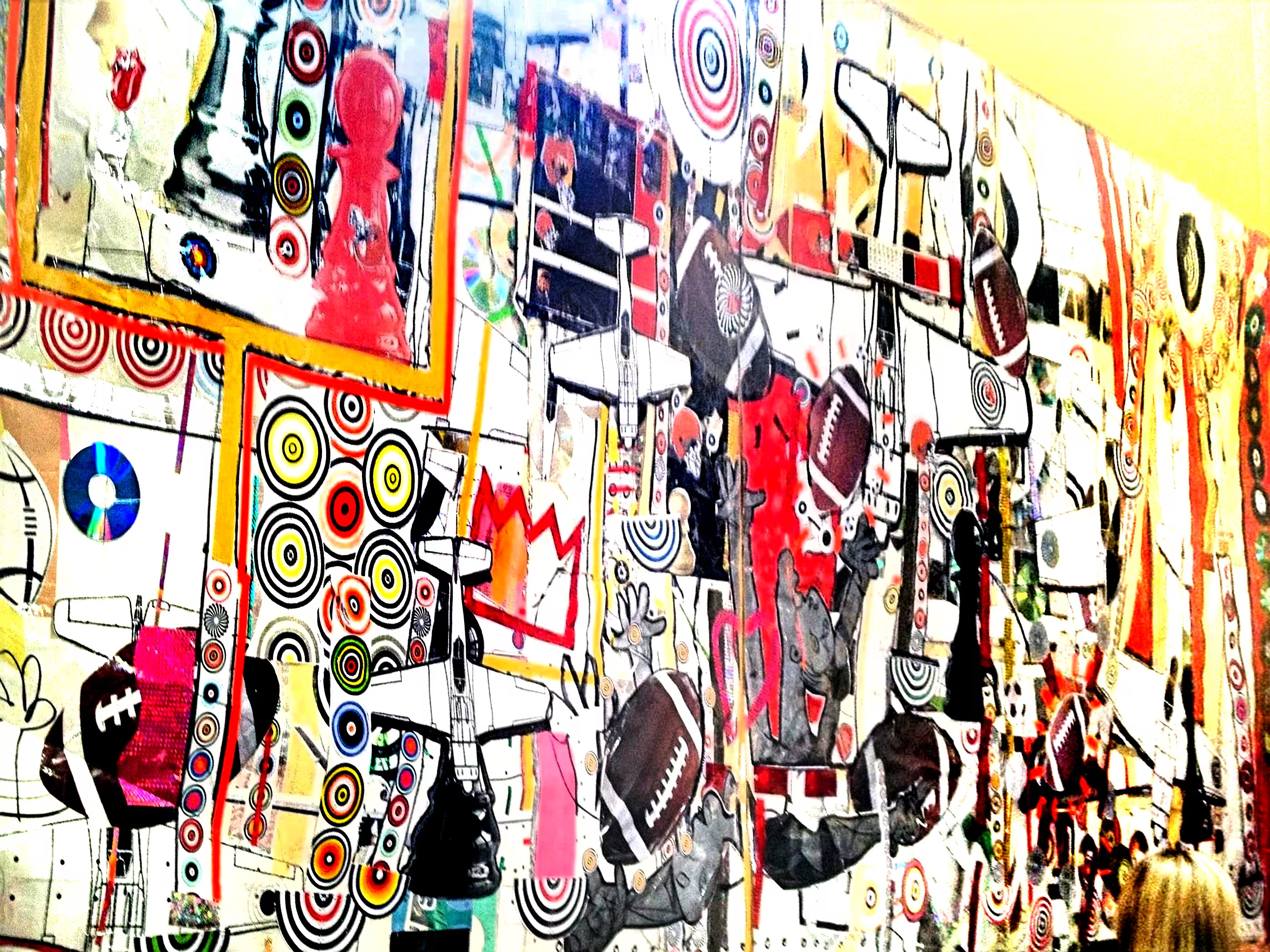
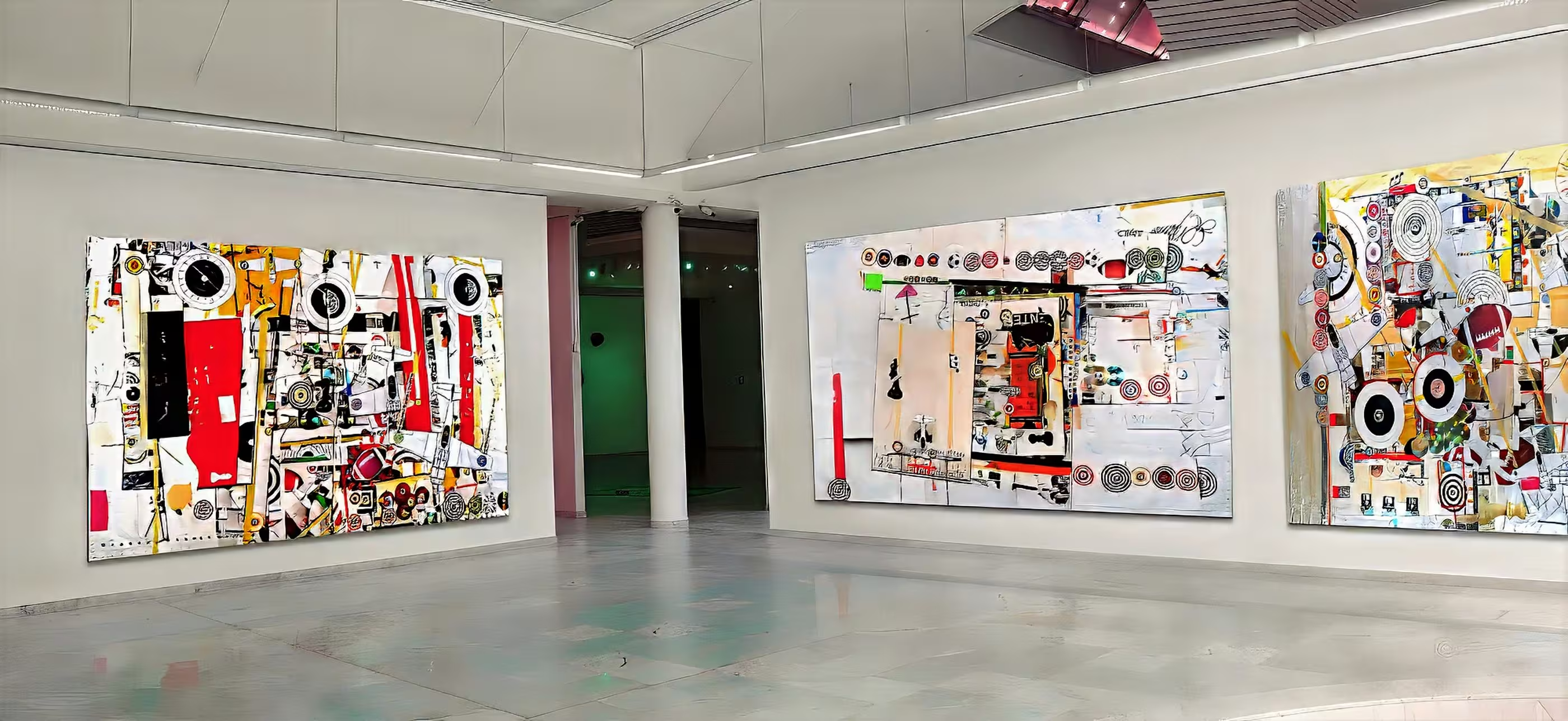
The most common composite is the simplest: the work on a gallery wall. Properly lit, properly spaced, properly framed — hung the way work is hung when an institution has decided it matters.
A designer would call these presentation studies, and Jeff was a working designer and creative director for decades; visualizing a thing in place was his trade. But a presentation study is made to persuade a client. No client has ever been identified for these. Whether any were ever sent to anyone is a question the archive has not yet been able to answer.
The Crowd
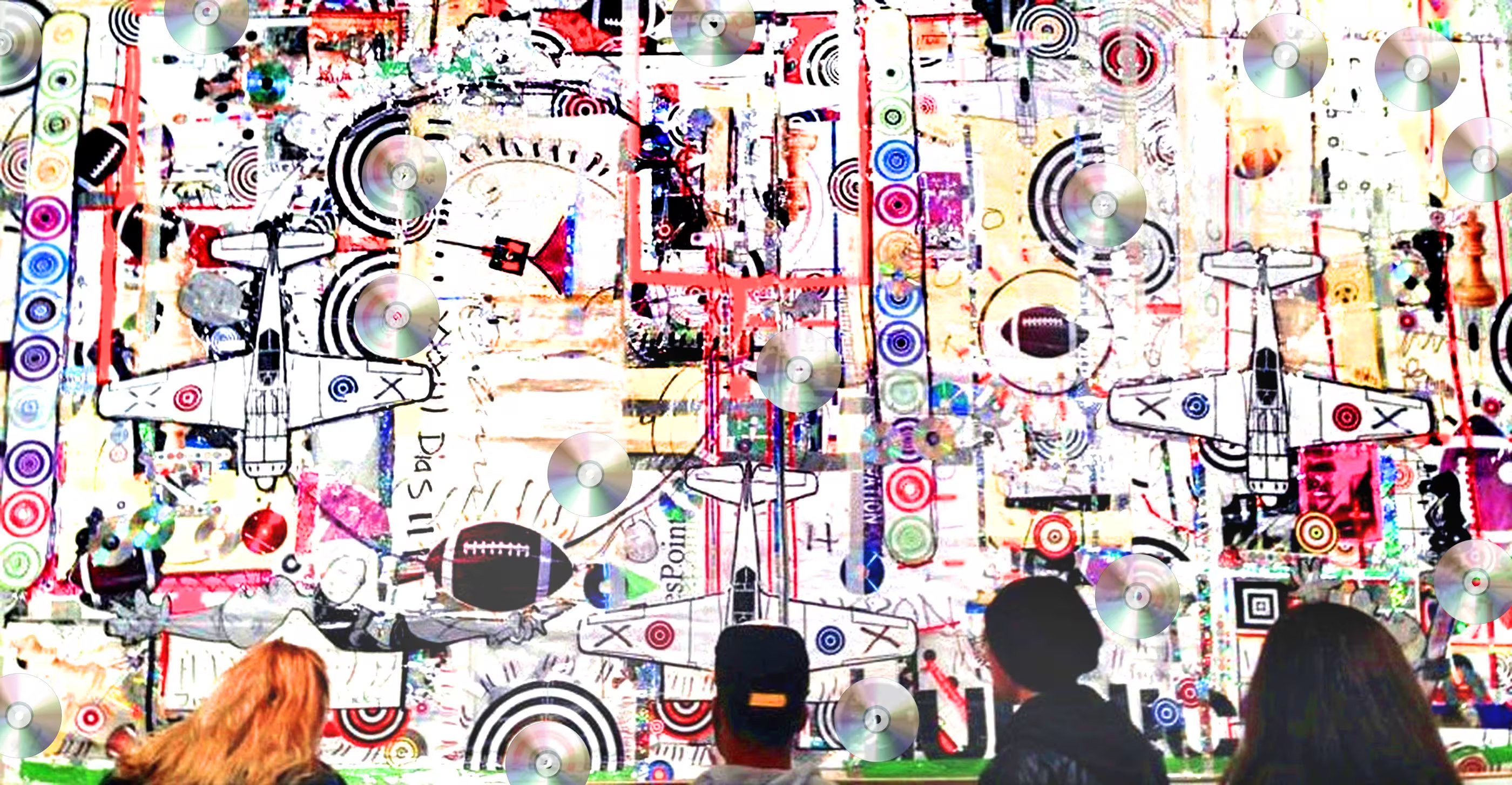
Then the people arrive. In these composites the work is not merely hung — it is attended. Figures pause in front of pieces. Someone leans in. The room has the particular density of an opening.
An empty imagined gallery is a study. An imagined gallery with an audience in it is something else: a picture of being seen. These are the composites hardest to look at neutrally, and the ones that most reward looking anyway — because the audience, like the room, is built from borrowed photographs, and the maker knew it while he worked.
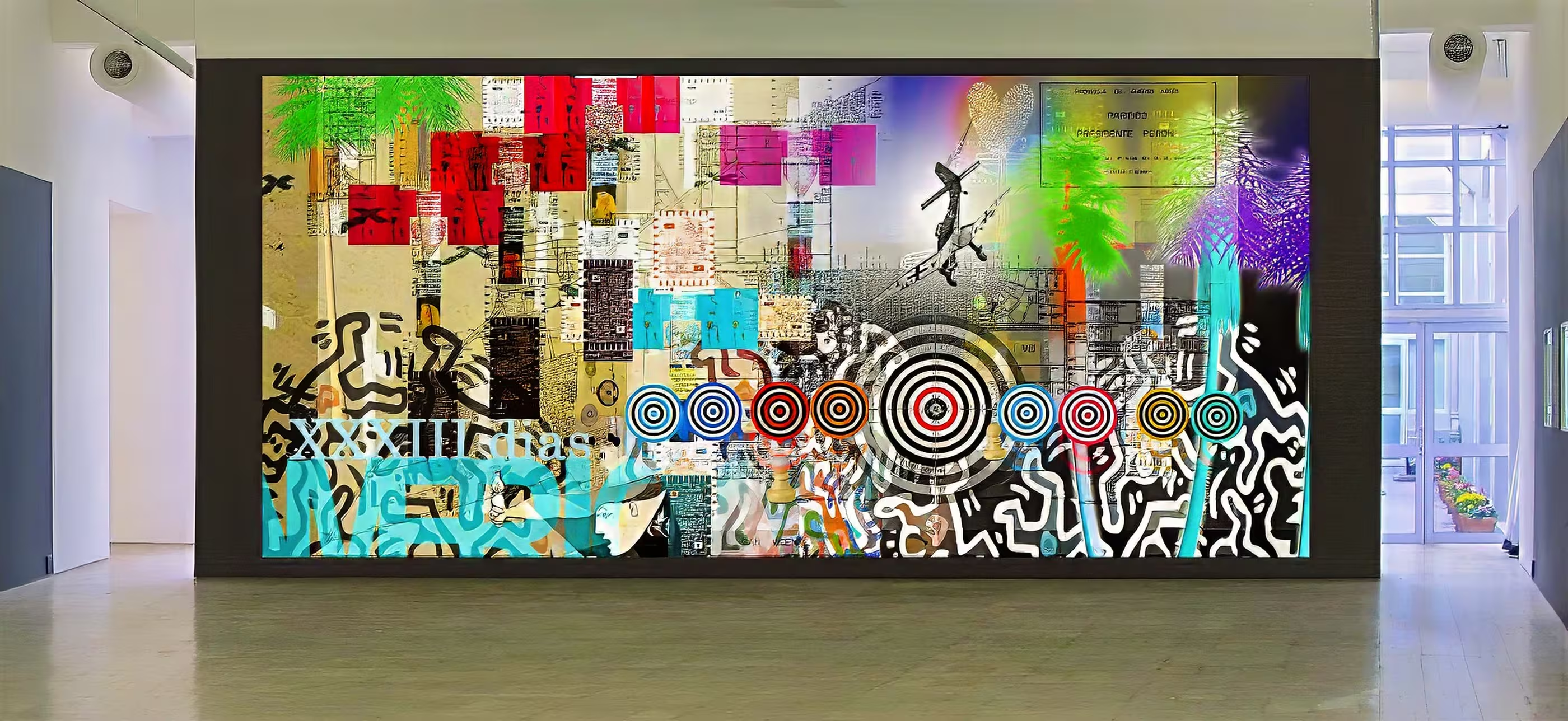
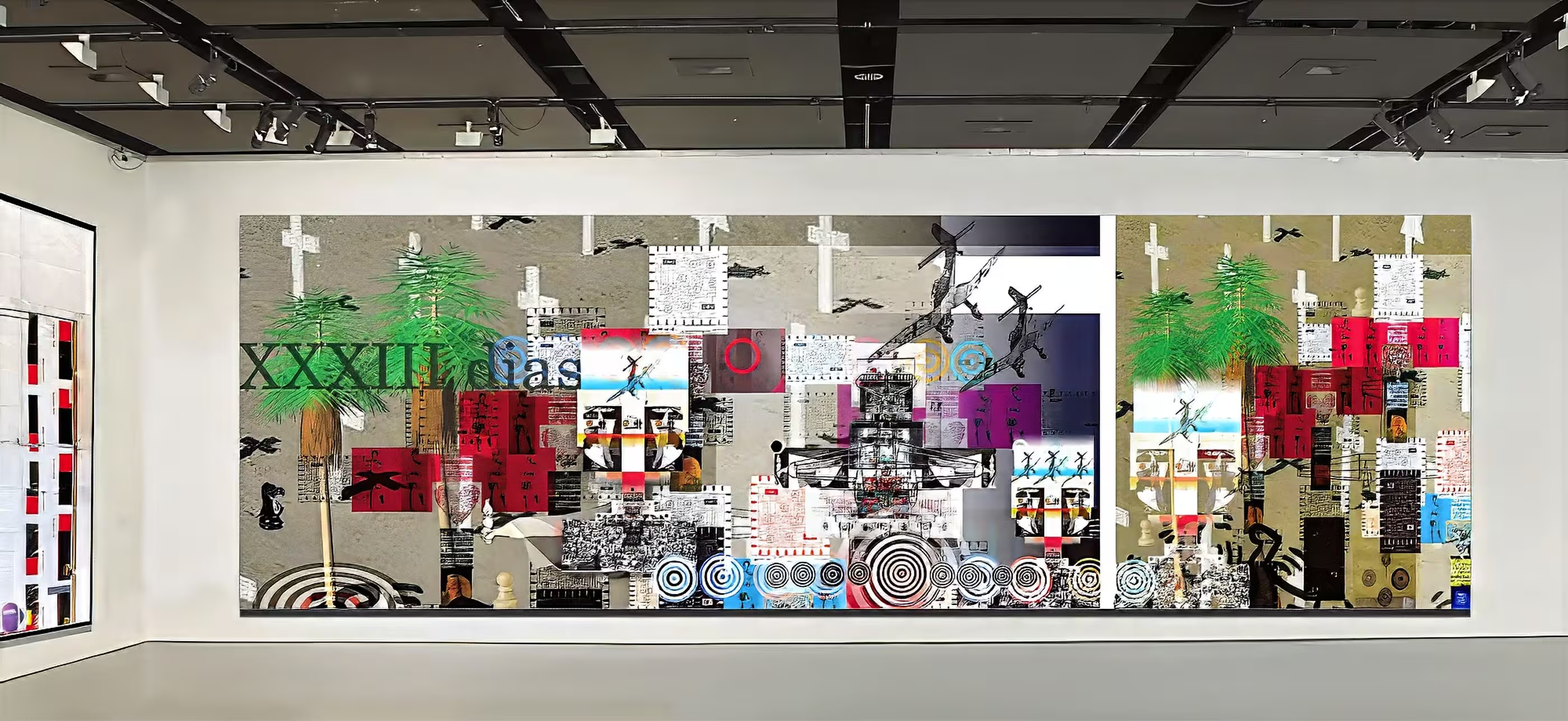
XXXIII Días
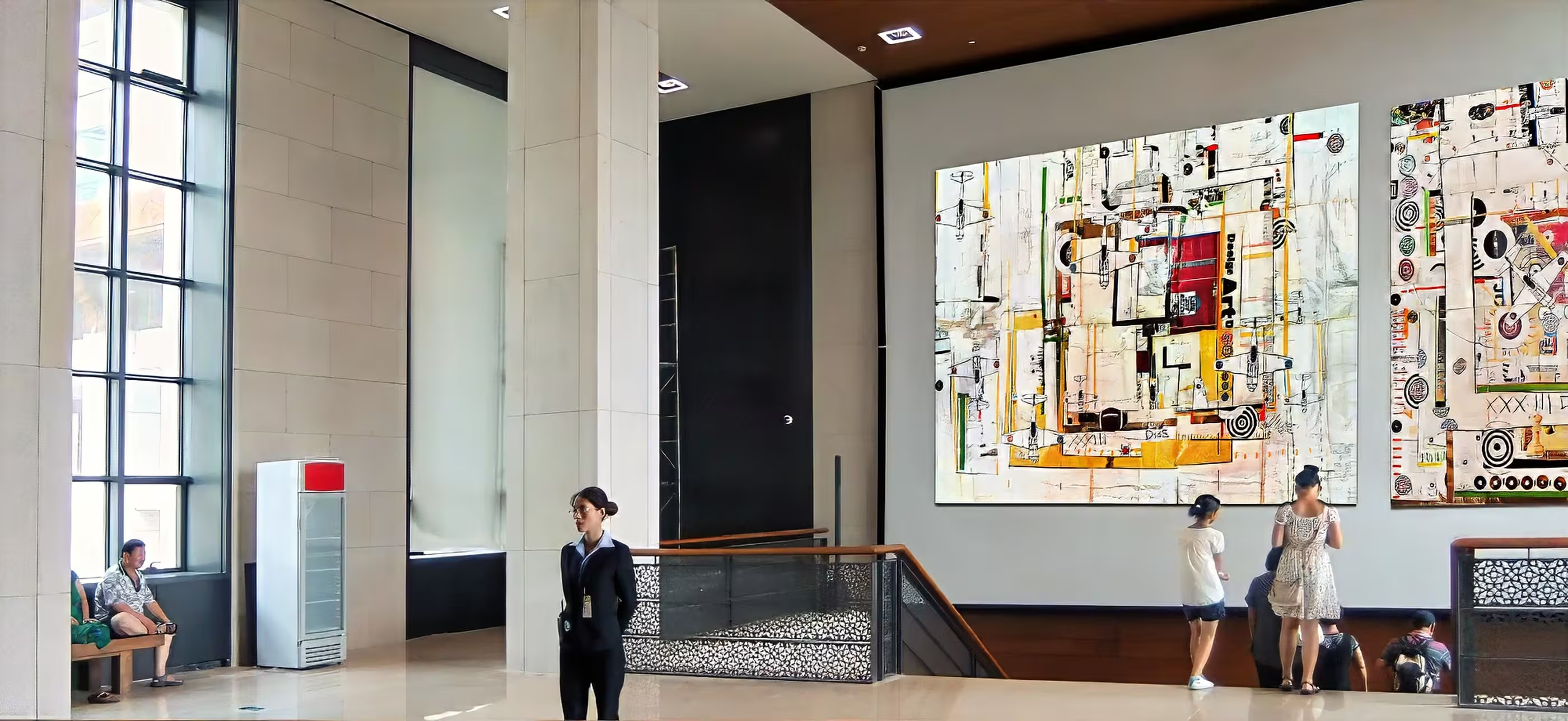
The imagined museum has an imagined centerpiece. Jeff heard that a film was being planned about Picasso painting Guernica — its expected title was "33 Days," the time the painting took. The film, as far as this archive can establish, was never made. Jeff — who spent decades making work in response to Guernica, 232 pieces of it — named a series of installation composites after it: XXXIII Días.
Sit with the layering. An unmade film about a painting became the name of an unheld exhibition of works about that painting, staged in Photoshop. This is not confusion or deception — every layer is flagged in this archive. It is a man building, with complete technical control and no audience, the retrospective that the world was not going to build for him, and naming it after something else the world had failed to make.
The Studio, Which Is Real
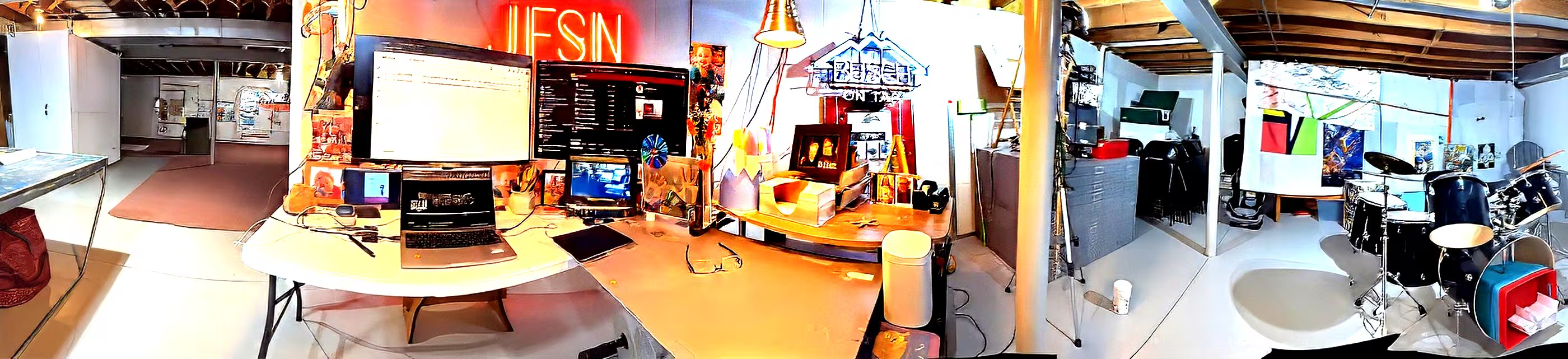
The sequence resolves in the studio panoramas — and the resolution matters. The imagined galleries borrow other people's rooms. The panoramas composite the work into his own: the studio, wall after wall, treated with the same care the imagined museums gave to borrowed architecture.
Somewhere in the practice, the museum came home. The room that actually held the work — the one place the work genuinely hung, year after year, for fifty years — gets the installation-view treatment. It did not need to be imagined. It only needed to be seen the way a museum is seen.

A Genre of One
It would be easy — and wrong — to read these 250 works as compensation, as a sad substitute for the recognition that mostly didn't come. Jeff's own testimony refuses that reading. Asked why he kept making things for fifty years, he answered in terms of the making itself: satisfaction, materials, the next piece. Not the audience.
The honest reading is stranger and better. Jeff worked in imagined realities his whole life — found objects became art, grandchildren's drawings merged into his own, discarded things got another life. The imagined museum is that same move applied to exhibition itself. If a CD could be a collage element, a museum could be a material too.
Very few artists have made a sustained, decades-long body of work depicting their own imagined exhibition history, honestly. It is a genre of one. This archive is likely its only museum — which seems, in the end, exactly right.
What the composites were for — visualization, private pleasure, submissions, something else — and whether any were ever sent to anyone, remains an open question. It is one of the questions only Jeff can answer, and this page will be corrected the moment he does. Every factual claim above rests on Jeff's own corrections of June 2026; the readings between the facts are the curator's, not his.